Your account
Sign in or create one
ifalls.news is free to read. An account keeps your saved items and settings.

ifalls.news is a small operation, and much of what you read here is written by AI systems we run. They read public sources, such as city and county agendas and minutes, school newsletters, park, weather and water-level services, and community calendars, and turn them into the articles, roundups and listings on this site. The box at the top of an AI-written article names the AI model and the sources it worked from.
Every automated article goes through automated checks before it publishes: one for structure and wording, and for most of our feeds a fact-check that compares the draft against its sources. A draft that fails is held for a person to look at. We do not read every article before it goes live. People review some of what publishes, spot-check the rest, and fix what readers report.
That means mistakes get through: a wrong date, a misspelled name, a number read off the wrong line, a meeting that was rescheduled after the agenda posted. For anything that matters, such as a meeting time, a closure, a deadline or a price, check the original source linked in the article.
If you spot an error, tell us through the correction form or at info@ifalls.news. We fix errors as soon as we see them.
Content on this site is provided as is. ifalls.news, Small Town Tech Inc., their staff and partners are not liable for decisions made on the strength of an AI-written article, and an AI-written article does not state a position of ifalls.news or its staff.
The Minnesota Department of Employment and Economic Development (DEED) has released its latest county profile for Koochiching County, offering a data-rich snapshot of the community’s population, workforce, economy, and quality of life. Here’s what the numbers say about where we stand — and where we’re headed.
Koochiching County is the 62nd largest of Minnesota’s 87 counties — and one of the fastest shrinking. Since the 2020 Census, the population has fallen by 468 people, a 3.9% decline that ranks it 85th in growth statewide.
The population is aging significantly, with more than a third of residents (33.4%) between the ages of 55 and 74. The county recorded far more deaths than births between 2020 and 2024, and experienced net out-migration. A small bright spot: eight international immigrants chose to make Koochiching County home during this period.
505 (4.4%)
1,145 (9.9%)
1,159 (10.0%)
1,072 (9.2%)
1,245 (10.7%)
1,324 (11.4%)
1,943 (16.8%)
1,920 (16.6%)
854 (7.4%)
427 (3.7%)
Here’s how the age distribution has shifted since 2000. The Baby Boom generation’s movement through the pyramid is striking — what was once a bulge in the 35-to-54 range has now shifted to the 55-to-74 range:
Under 5
5–14
15–24
25–34
35–44
45–54
55–64
65–74
75–84
85+
The county’s population is 90.2% White, though it has become more diverse over the past decade:
| Race/Ethnicity | Number | Percent | Change 2013–23 |
|---|---|---|---|
| White | 10,783 | 90.2% | -13.6% |
| Two or More Races | 697 | 5.8% | +280.9% |
| American Indian | 253 | 2.1% | -35.0% |
| Hispanic or Latino | 175 | 1.5% | +60.6% |
| Asian/Pacific Islander | 108 | 0.9% | +71.4% |
| Black or African American | 67 | 0.6% | -38.5% |
Among the county’s 422 foreign-born residents (3.5% of the population), 59.2% were born in Northern America — primarily Canada, reflecting the border location — while 21.6% were born in Asia and 10.2% in Europe.
The Minnesota State Demographic Center projects the county will shrink from 11,303 in 2025 to 9,625 by 2035 — a loss of 1,678 people (14.8%). That rate far outpaces the projected statewide growth of 3.7%.
| Age Group | 2025 | 2035 | Change | % |
|---|---|---|---|---|
| Under 5 | 473 | 395 | -78 | -16.5% |
| 5–14 | 1,078 | 914 | -164 | -15.2% |
| 15–24 | 1,134 | 896 | -238 | -21.0% |
| 25–34 | 1,053 | 884 | -169 | -16.0% |
| 35–44 | 1,178 | 1,035 | -143 | -12.1% |
| 45–54 | 1,226 | 1,088 | -138 | -11.3% |
| 55–64 | 1,732 | 1,220 | -512 | -29.6% |
| 65–74 | 1,955 | 1,472 | -483 | -24.7% |
| 75–84 | 1,084 | 1,295 | +211 | +19.5% |
| 85+ | 390 | 426 | +36 | +9.2% |
| Total | 11,303 | 9,625 | -1,678 | -14.8% |
Koochiching County matches the state in high school completion, with 93.2% of adults holding at least a diploma. The county outperforms the state in associate’s degree attainment — reflecting the role of Minnesota North College (formerly Rainy River Community College) — but trails in bachelor’s and advanced degrees.
The labor force has been shrinking for decades, losing an average of 81 workers per year since 2010. Looking ahead, projections show the workforce declining from 5,504 in 2025 to 4,490 by 2035.
One standout characteristic of the local workforce: Koochiching County workers overwhelmingly live and work in the same place.
The workforce is nearly evenly split by gender (3,030 men, 2,913 women) and 90.8% White. Workers here tend to start early — 13.9% leave for work between 5:00 and 5:59 a.m. compared to 9.1% statewide, and another 22% head out between 6:00 and 6:59 a.m. Most drive (82.3%), with 7.1% using alternative methods like walking or biking.
| Group | In Labor Force | Participation | Unemployment |
|---|---|---|---|
| 16–19 years | 334 | 65.5% | 23.7% |
| 20–24 years | 471 | 94.8% | 0.8% |
| 25–44 years | 2,181 | 91.3% | 4.8% |
| 45–54 years | 1,177 | 86.2% | 2.6% |
| 55–64 years | 1,301 | 65.0% | 1.4% |
| 65–74 years | 461 | 23.3% | 2.6% |
| Education (ages 25–64) | Participation | Unemployment |
|---|---|---|
| Less than H.S. Diploma | 39.3% | 2.0% |
| H.S. Diploma or Equivalent | 68.0% | 0.0% |
| Some College or Assoc. Degree | 86.9% | 5.7% |
| Bachelor’s Degree or Higher | 93.8% | 0.2% |
Koochiching County’s incomes are lower than the statewide average — but so is the cost of living. That gap in affordability is one of the county’s genuine strengths.
16.1%
22.5%
30.9%
47.2%
3.5%
10.5%
21.8%
31.8%
32.4%
The Northeast Minnesota region (DEED Region 3) has a median hourly wage of $23.47 — seventh among the state’s 13 economic development regions, and below the statewide median of $26.22.
$46.38/hr
$40.98/hr
$40.58/hr
$40.04/hr
$38.42/hr
$36.86/hr
$36.09/hr
$34.23/hr
$14.56/hr
$16.71/hr
$17.15/hr
$17.77/hr
Less than High School
| Occupation | Annual Salary |
|---|---|
| Home Health & Personal Care Aides | $36,611 |
| Retail Salespersons | $33,817 |
| Food Preparation Workers | $33,094 |
| Cashiers | $29,732 |
High School Diploma or Equivalent
| Occupation | Annual Salary |
|---|---|
| Electricians | $85,688 |
| Heavy/Tractor-Trailer Truck Drivers | $62,124 |
| Licensed Practical Nurses | $57,976 |
| Nursing Assistants | $43,783 |
| Automotive Technicians | $53,239 |
Associate’s Degree or Some College
| Occupation | Annual Salary |
|---|---|
| Dental Hygienists | $91,369 |
| Registered Nurses | $84,451 |
| Cardiovascular Technologists | $86,132 |
| Respiratory Therapists | $81,337 |
| Radiologic Technologists | $76,419 |
Bachelor’s Degree or Higher
| Occupation | Annual Salary |
|---|---|
| Pharmacists | $143,951 |
| Financial Managers | $128,471 |
| Medical & Health Services Managers | $103,535 |
| Industrial Engineers | $95,993 |
| Project Management Specialists | $94,155 |
| General & Operations Managers | $77,788 |
| Accountants & Auditors | $74,639 |
Koochiching County has the 66th largest economy among Minnesota’s 87 counties. Manufacturing leads in employment — driven largely by the Packaging Corporation of America (PCA) paper mill, which has anchored the local economy since 1910.
633 jobs
582 jobs
573 jobs
441 jobs
171 jobs
141 jobs
110 jobs
99 jobs
93 jobs
66 jobs
| Sector | Avg Wage | Jobs | 2023-24 Change |
|---|---|---|---|
| Utilities | $109,283 | 12 | 0.0% |
| Construction | $76,546 | 171 | +5.6% |
| Public Administration | $67,080 | 441 | +1.4% |
| Transportation | $58,647 | 141 | -13.0% |
| Wholesale Trade | $53,823 | 64 | +3.2% |
| Arts & Recreation | $50,484 | 99 | -4.8% |
| Information | $37,193 | 39 | -25.0% |
| Professional Services | $32,880 | 35 | -12.5% |
| Retail Trade | $30,649 | 573 | -2.6% |
| Manufacturing | $25,059 | 633 | N/A |
| Accom. & Food Services | $21,477 | 582 | -2.7% |
The DEED profile confirms trends that many residents already sense: Koochiching County is getting smaller and older, with fewer young people entering the workforce than older workers leaving it. The labor market is tight — good for job seekers, but a growing challenge for employers.
At the same time, the data highlights genuine strengths. The cost of living is significantly lower than the state average, with housing that is affordable by nearly any Minnesota standard. Workers enjoy short commutes and strong ties to the local economy, with more than nine out of 10 employed right here in the county. Healthcare, manufacturing, construction, and public administration provide well-paying career opportunities, and demand for skilled workers spans every education level.
The county’s economic foundation — built on the PCA mill, Voyageurs National Park tourism, healthcare, and government services — continues to support more than 4,200 jobs and a $241 million payroll. The challenge ahead is sustaining that base as the workforce shrinks and the population ages.
Data sources: U.S. Census Bureau 2024 Population Estimates, 2019-2023 American Community Survey, Minnesota State Demographic Center population projections, DEED Local Area Unemployment Statistics, DEED Occupational Employment & Wage Statistics (Q1 2025), DEED Quarterly Census of Employment & Wages (2024), and DEED Job Vacancy Survey (2024).


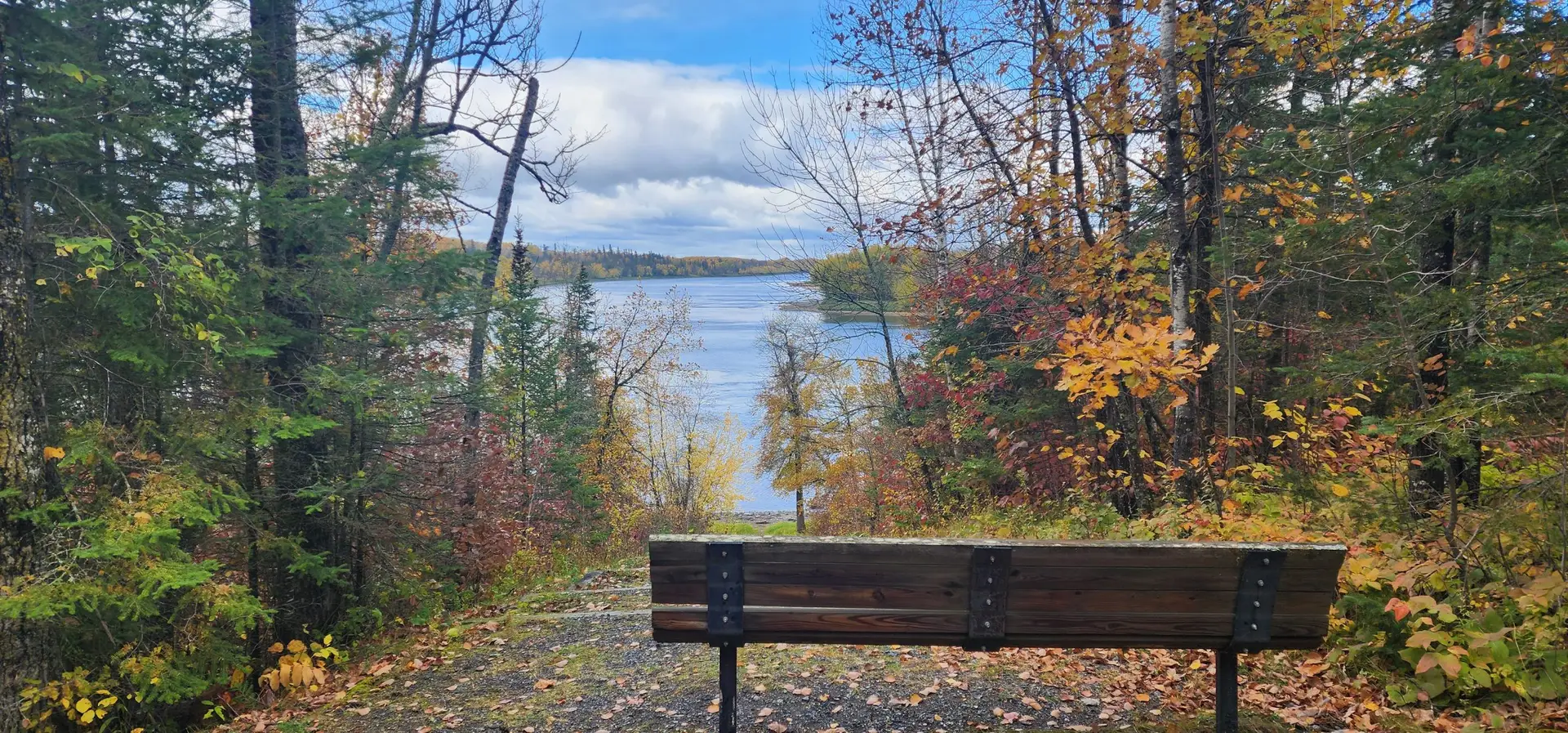

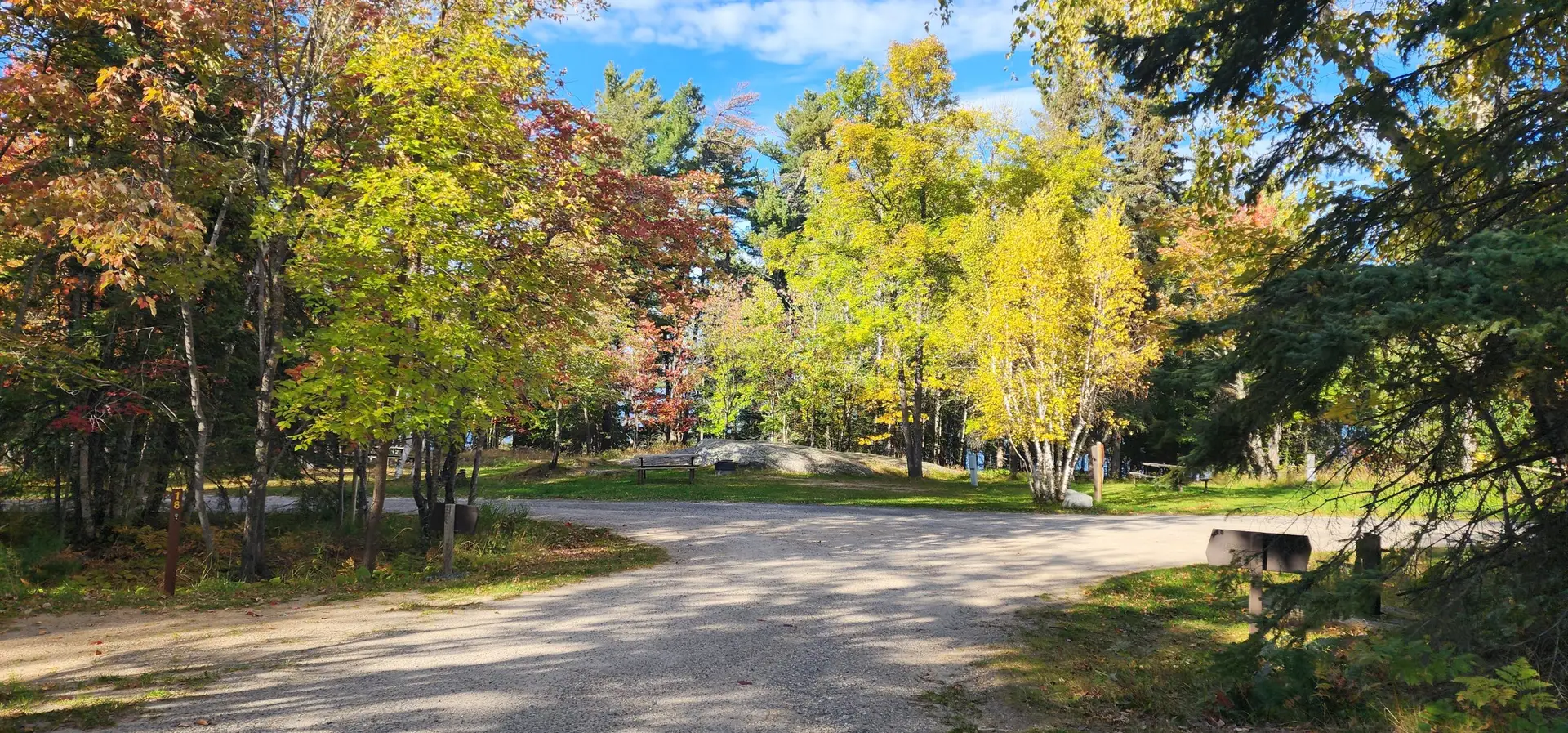
Koochiching County is the second largest county in the state by land area, encompassing approximately 3,154 square miles!
Koochiching County has a government structure dedicated to meeting the needs of its rural communities. The county covers a vast area of nearly 3,100 square miles, making it one of the largest counties in the state. Its government provides essential services to residents, from public safety to land management, while also ensuring that the county’s natural beauty and resources are preserved.
Koochiching County is known for its vast forests, pristine lakes, and Rainy River. The county seat is International Falls, the “Icebox of the Nation”. Despite the cold, the area is a favorite... Read more