Your account
Sign in or create one
ifalls.news is free to read. An account keeps your saved items and settings.

ifalls.news is a small operation, and much of what you read here is written by AI systems we run. They read public sources, such as city and county agendas and minutes, school newsletters, park, weather and water-level services, and community calendars, and turn them into the articles, roundups and listings on this site. The box at the top of an AI-written article names the AI model and the sources it worked from.
Every automated article goes through automated checks before it publishes: one for structure and wording, and for most of our feeds a fact-check that compares the draft against its sources. A draft that fails is held for a person to look at. We do not read every article before it goes live. People review some of what publishes, spot-check the rest, and fix what readers report.
That means mistakes get through: a wrong date, a misspelled name, a number read off the wrong line, a meeting that was rescheduled after the agenda posted. For anything that matters, such as a meeting time, a closure, a deadline or a price, check the original source linked in the article.
If you spot an error, tell us through the correction form or at info@ifalls.news. We fix errors as soon as we see them.
Content on this site is provided as is. ifalls.news, Small Town Tech Inc., their staff and partners are not liable for decisions made on the strength of an AI-written article, and an AI-written article does not state a position of ifalls.news or its staff.
AI Model: Claude Opus 4 by Anthropic
Sources:
AI-generated content may contain errors. Community members are encouraged to verify important details independently.
When the ice finally loosens its grip on the border lakes, spring fishing season around International Falls is unlike anywhere else in Minnesota. The region’s location along the Canadian border means different regulations, extended seasons, and access to some of the state’s most productive waters. Whether you’re chasing walleye on Lake Kabetogama, targeting sturgeon on the Rainy River, or simply planning around the Minnesota fishing opener, understanding how border water rules work up here makes all the difference.
The lakes and rivers along the Minnesota-Canada border operate under a separate set of fishing regulations from Minnesota’s inland waters. Rainy Lake, Kabetogama Lake, Namakan Lake, and the Rainy River all fall under these border water rules, which are established cooperatively between Minnesota and Ontario.
The most notable difference for spring anglers: the walleye season on border waters stays open until mid-April — the latest closing date anywhere in Minnesota. That means while inland walleye seasons have long since closed for the spawning period, anglers on the border lakes can still be on the water. Ice fishing on border waters also extends through mid-April, well past the typical inland cutoff.

Because border water seasons, bag limits, and size restrictions can differ significantly from the statewide regulations you may be used to, always check the Minnesota DNR’s border water regulations for Canada before heading out. The Minnesota DNR fishing page and the DNR LakeFinder tool provide lake-specific rules for every body of water in the region.
The general Minnesota fishing opener for gamefish — including walleye, northern pike, and bass — is one of the most anticipated weekends of the year. On the border lakes, however, the season structure runs on its own calendar. Gamefish seasons vary depending on whether you’re fishing border waters or nearby inland lakes, so it pays to know exactly which set of regulations applies to your chosen spot.
Species like crappie, sunfish, perch, and bullhead can be caught year-round on most waters. But walleye, northern pike, and bass are only open during designated seasons that differ between border and inland waters. The DNR LakeFinder is the most reliable way to confirm what’s open, where, and when.
One development worth watching for the 2026 season: the Minnesota DNR has a proposed walleye limit reduction and a special regulations survey underway. Check current regulations before your trip, as limits may have changed from previous years.
The Rainy River is one of the region’s signature spring fisheries, drawing anglers specifically for lake sturgeon. These ancient, bottom-dwelling fish can grow to impressive sizes, and the Rainy River’s spring sturgeon season is a tradition that brings anglers from across the state and beyond.
Sturgeon fishing operates under special regulations with its own season dates, bag limits, and size requirements. You’ll also need more than a standard fishing license — the Minnesota DNR requires an additional sturgeon stamp or validation purchased on top of your regular license. Make sure you have the proper credentials before you fish.
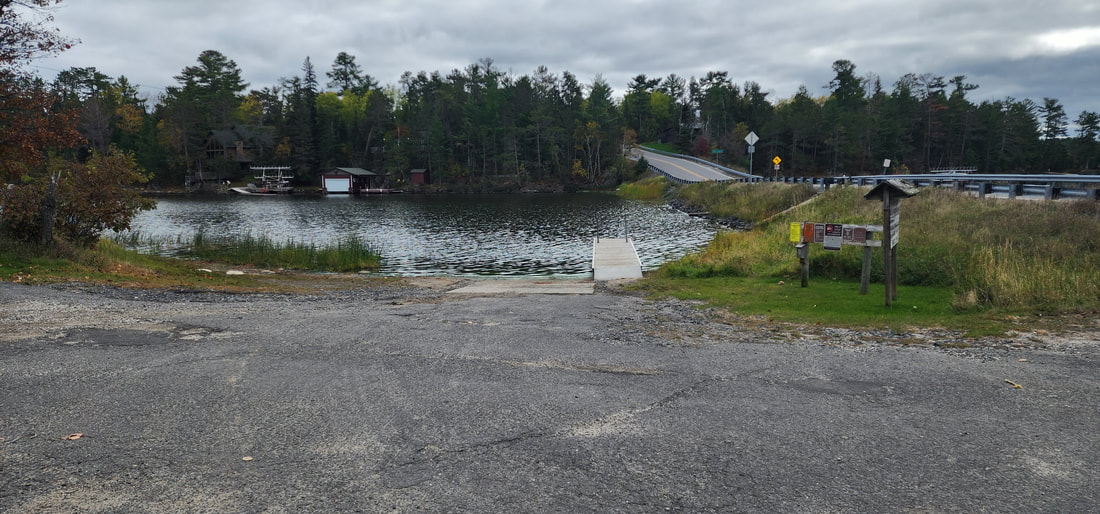
Several public landings provide access to the Rainy River. Ranier Landing is a popular launch point for sturgeon anglers, while Frontier Access, Nelson Park, and Pat Roche Landing offer additional access points along the corridor. Downstream, Franz Jevne State Park, Manitou Rapids Wayside, and Kuttes Landing provide river access farther from town. Riverside Park in International Falls also connects to the Rainy River corridor.
The border lakes region offers more than 250,000 acres of fishable water across its major lakes alone, plus miles of rivers and dozens of smaller inland lakes throughout Kabetogama State Forest and surrounding public lands.
Rainy Lake covers more than 225,000 acres and spans the US-Canada border. It’s the largest lake in the system and the western anchor of Voyageurs National Park. Rainy Lake is a premier destination for walleye, northern pike, smallmouth bass, crappie, and muskie. Spring fishing here benefits from the extended border water season.
Public boat landings on Rainy Lake include Ranier Landing, Bohman Landing, Tilson Bay, and Dove Island Access. Area resorts like Thunderbird Lodge, Island View Lodge, Sha Sha Resort, and Arrowhead Lodge offer boat rentals and local knowledge for visiting anglers.
Kabetogama Lake sits along the south side of the Kabetogama Peninsula at roughly 25,760 acres. The lake is well known for its walleye fishing and is accessible from the resort community of Kabetogama via County Road 122/123. The Watson Landing and CR119 Landing on the Rat Root River provide access to the Kabetogama area.
The Kabetogama resort corridor offers plenty of options for visiting anglers, including Grandview of Lake Kabetogama, The Pines of Kabetogama, Herseth’s Tomahawk Resort, Harmony Beach Resort, and Ash Trail Lodge — most offer boat rentals and can point you to productive spots.
Namakan Lake covers approximately 25,600 acres in the eastern portion of the Voyageurs waterway. Connected to Sand Point Lake and accessible from the Ash River and Crane Lake areas, Namakan offers excellent fishing with typically less pressure than Rainy Lake.
Beyond the big lakes, the Rainy River, Littlefork River, Big Fork River, and Black River all flow through Koochiching County and offer additional spring fishing opportunities. The Rainy River is the primary sturgeon fishery, while the other rivers hold walleye, northern pike, and other species.
River access points include Kueffner’s Landing, Reedy Flats Landing, and Ivan Crawford Landing on the Big Fork River, plus Elm Street Landing and Lofgren Park Landing on the Littlefork River.
Anyone 16 years of age or older needs a Minnesota fishing license. A few key details:
If you’re fishing in Voyageurs National Park, note that a Minnesota fishing license is still required — the park doesn’t exempt anglers from state licensing. Review the park’s rules and regulations for additional guidelines on fishing within park boundaries.
For anglers unfamiliar with the border lakes or looking to get on fish quickly, the region has an active community of fishing guides. Local guides know the seasonal patterns, current regulations, and productive spots across the lake system. Several guide services operate out of the Falls area:
The Rainy Lake Sportfishing Club is another good resource for connecting with the local fishing community.
Browse more fishing and outdoor resources on the site: